
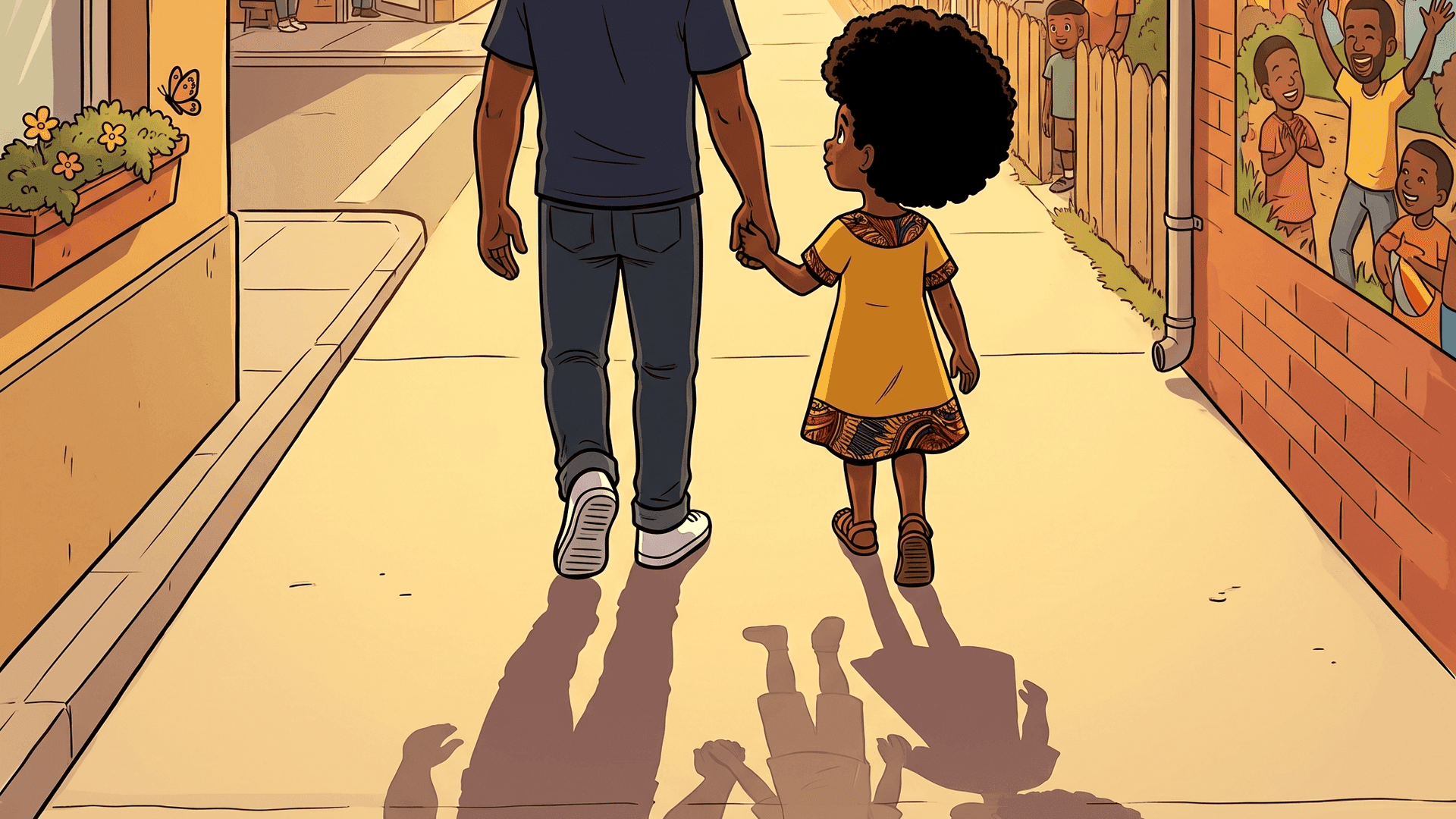
5 Ways to Celebrate Your Child's Heritage at Home
The Guilt Most Parents Carry
If you're raising a child whose heritage isn't the dominant culture around them, you probably know the feeling. It shows up at odd moments — when your toddler greets their grandmother in English instead of Yoruba, when your five-year-old asks why their lunchbox smells different, when you realise you've never actually told them the story of how their name was chosen.
The quiet, uncomfortable question: Am I doing enough?
This post isn't about adding another thing to the pile. It's not about guilt. It's about the small, repeatable rituals that compound over the years into something your child will carry for life — without you having to become a cultural historian or host a single elaborate ceremony.
The Myth of the Cultural Expert
Here's the thing nobody tells second and third-generation parents: you don't need to speak the language fluently. You don't need to know every proverb your grandmother knew. You don't need to host nine-nights or naming ceremonies or know how to tie a gele properly.
Being imperfect but intentional beats being absent every single time.
Your child doesn't need a scholar. They need a parent who shows up, consistently, with little pieces of home. Heritage isn't transmitted in grand gestures — it's transmitted in Tuesday mornings, Sunday kitchens, and bedtime whispers. It's the quiet accumulation that builds identity.
So let go of the pressure to be the expert. Here are five things any tired parent can actually do.
1. Music at Breakfast (Five Minutes)
The easiest ritual in the world. Put on music from your heritage while the kids eat Weetabix.
That's it. That's the whole tip.
Passive absorption is one of the most powerful things you can do for a young child. The rhythms, the languages, the melodies — they sink in without anyone having to try. A four-year-old who hears Fela Kuti on the school run three mornings a week will grow up feeling afrobeats in their bones. Same with reggae on a Caribbean morning, highlife on a Ghanaian one, gospel on a Sunday, afro-fusion in the car.
Build one playlist. Press play. That's it. You've already started.
2. One Word a Week
Pick a single word or phrase in your heritage language each week. Just one.
Monday morning, you introduce it. "This week's word is ẹ káàárọ̀ — it means good morning." You say it to your child when they wake up. They say it back, badly at first, then better. By Sunday, they've got it.
Fifty-two weeks a year, fifty-two words. Over five years, that's 250 words and phrases your child knows in a language you weren't confident enough to "teach" them.
Start with the easy ones — greetings, family terms (mama, dada, granny), numbers one to ten, colours, foods. If you're Yoruba, try ẹ kú àárọ̀ and ọmọ mi. If your family speaks Twi, try maakye and medaase. If you're Jamaican, lean into Patois — wah gwaan, mi deh yah, nuff love. These aren't lesser. They're yours.
You don't need to be fluent. You just need to know one more word than they do, one week at a time.
3. Sunday Meal Traditions
Cook one heritage dish together, every Sunday. That's the whole ritual.
It doesn't need to be complicated. It doesn't need to be authentic enough to please your aunties. Start with one dish — jollof rice, rice and peas, egusi, fried plantain, cornmeal porridge — and do it so often it becomes the thing your child remembers when they're twenty-five and homesick at university.
Let them stand on a stool at the counter. Let them stir badly. Let them taste the raw onion and make a face. This is how children learn culture — through their hands and their tongues, not through lectures.
The specific dish matters less than the repetition. Children don't remember the meal you cooked once when they were six. They remember the smell of the thing you cooked every Sunday for ten years.
4. Storytime Rotation
Look at the books on your child's shelf. How many of them feature a character who looks like your child? How many of them are rooted in your heritage?
For most families, the answer is uncomfortable.
You don't need to throw out Julia Donaldson. You just need to rotate in stories from your heritage alongside the mainstream ones. Anansi the spider tales. Yoruba folktales about the tortoise. Caribbean legends of river mumma and duppies. African-American freedom stories. The trickster tales your own parents heard from theirs.
If you can't find good published versions — and honestly, the pickings can be thin — ask the elders in your family to tell them. Record the stories on your phone when your mum is visiting. Your child gets the tale in their grandmother's actual voice, and you get a keepsake you'll treasure forever.
If you want a shortcut to a heritage-rich bedtime book where your child is literally the main character, create one with us. That's what we're here for.
5. Visible Heritage in the Home
Children absorb what they see every single day. This is why representation in the home matters as much as representation in books.
You don't need to redecorate. You just need one or two visible touchpoints.
A framed photo of grandma in her traditional dress, hung at child-height in the hallway. A map of Nigeria on the playroom wall. A small shelf of heritage books. A piece of wax print fabric as a throw on the sofa. A wooden carving on the bookshelf. A photo of your own parents' wedding, in the country their own parents came from.
A single framed photo of grandma in aso-oke teaches a child more about where they come from than an hour-long lecture ever could. They'll ask about it. They'll point at it. And every question opens a door.
If you're looking for an easy first step, download our free colouring page — it features a child in natural hair, and it costs nothing to print, colour in, and stick on the fridge. Visible heritage, ten minutes of work.
The Most Important Thing
Consistency beats perfection. Every single time.
A bedtime Yoruba phrase whispered every night beats a month-long trip to Lagos every five years. A Sunday jollof beats a Nollywood film marathon once a decade. Three minutes of highlife at breakfast beats a cultural festival you keep meaning to book tickets for but never do.
Tiny, repeated rituals become identity. That's how heritage is actually transmitted — not in grand gestures, but in the quiet weight of things done often. Your child won't remember the day you decided to start. They'll remember that you always did it. That it was just part of home.
You don't need to do all five. Pick one. Start tomorrow. Keep going.
And when you're ready for bedtime stories where your child is the hero, where their skin, their hair, their name, and their heritage are woven into every page — that's what Omo Tales is for. One small ritual, repeated at bedtime, becoming part of who they are.
Share this article
Create your child's story
A personalised storybook with a character that truly looks like your child. Heritage woven into every page.
Start CreatingTry our free colouring page
Get a free personalised colouring page featuring your child — delivered straight to your inbox.
Get Free Colouring Page